The Value Of Prior Art Searching: Don’t Screw Up (Part 2)

Spikes

In part 1 (link here) of this series of short articles on the value of “prior art” searching, I (Iain Russell, founder of Russell IP) explained how I came up with an idea for a telescopic hex key, but knocked it out through some quick and basic prior art searching.

I wasn’t ready to give up on the idea and used the setback of knocking out my first attempt as a catalyst for some further development.

Back at the drawing board, I got thinking. Actually, maybe my idea isn’t limited to hex keys and perhaps it could be used for all sorts of different socket types, including screw heads. What if, rather than a central key and hexagonal shells (per the original idea), there was a set of ‘spikes’ that could drop down into the socket and conform to the particular socket in question.

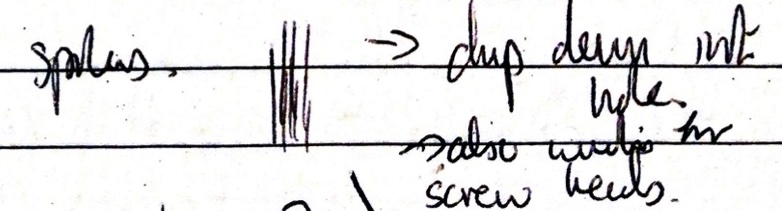
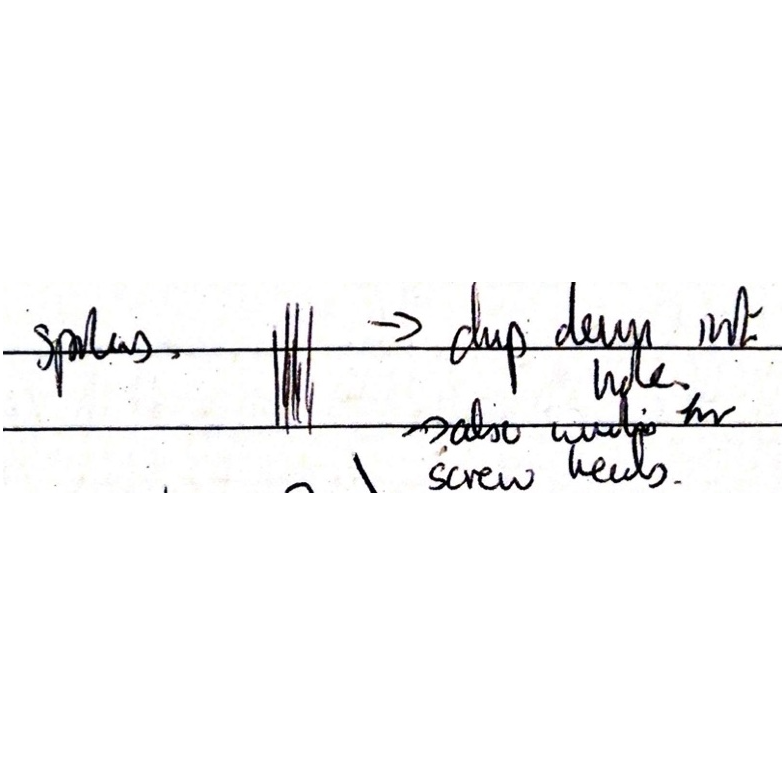
Here’s the exact sketch I drew in my notebook and the notes I made. Again, please forgive my terrible sketch and awful handwriting, which says “spikes → drop down into hole → also works for screw heads”:

Spikes

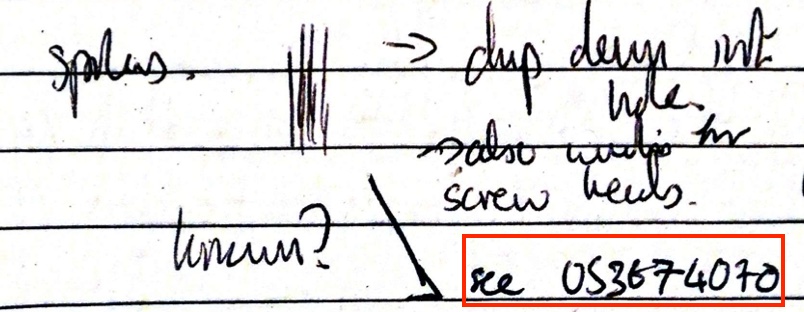
Off I went again to do some more prior art searching. Here’s the note I added to the above:

Spikes 2

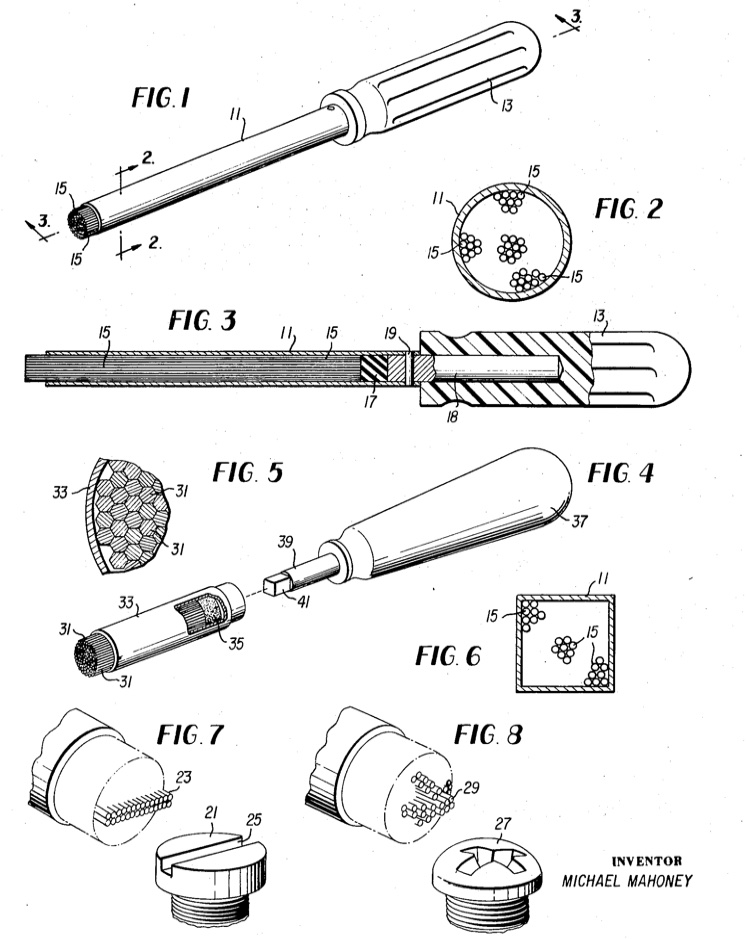
Well, again, it turned out, from some quick prior art searching, that this idea had been around for decades. Here are some drawings from US Patent No. 3,674,070 (Espacenet link here):

US3674070A

This really was exactly what I had in my head… again! In part 3 (link here) of this series of short articles, I’ll explain how I went back to the drawing board… again!

If you’re a patent-savvy music tech business looking for patent help, get in touch with Russell IP here!

The information above is for general interest and information only and does not constitute legal advice.

Share the Post:

Related Posts

Banner for Russell IP article about Accelerating UK Patent Prosecution

Accelerating UK Patent Prosecution

Accelerating UK Patent Prosecution at the UK IPO: A Practical Guide Introduction Securing a UK patent is usually a long game. On a normal timetable, a UK patent application remains pending for several years before it is granted or finally refused. In many situations, that slow and steady pace is absolutely fine; it gives time to refine the technology, explore markets and spread costs. In other situations, there’s a need for the UK Intellectual Property Office (UK IPO) to move faster. Perhaps a competitor is gearing up to launch a similar product, an investor is asking to see patent grants

Read More
Banner for Russell IP article about guidance on generative AI in patent work

Guidance On Generative AI In Patent Work

New Guidance On Generative AI In Patent Work: Essential Reading For Inventors And SMEs The Chartered Institute of Patent Attorneys (CIPA) and the Intellectual Property Regulation Board (IPReg) have issued new guidance on using generative AI for patent work. In this article, we answer some key questions about the new guidance, and who and what it is for. Why The New CIPA Guidance On Generative AI Matters Generative AI tools are now everywhere. Many inventors and small, innovative businesses are already using them to:  Brainstorm product ideas; Tidy up technical descriptions; Help draft patent-related documents; or Summarise prior art and

Read More

Gain the Competitive Edge

Let's see how we can help protect your IP

Get in touch using the contact form or the phone number below to see how we can protect your IP.

There’s no obligation to sign up for anything.